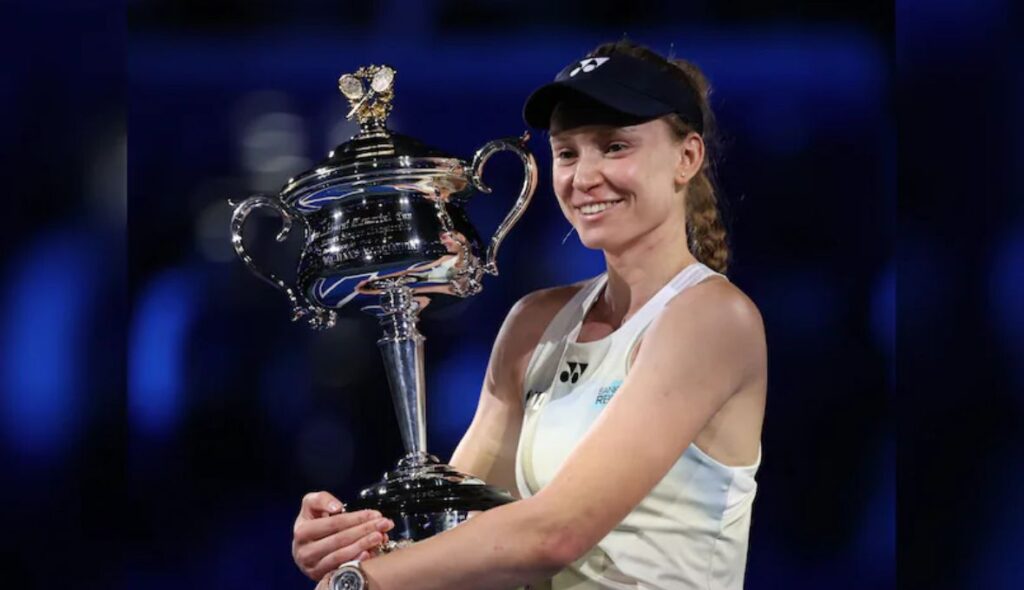

The Women’s Singles Final at the 2026 Australian Open delivered drama, momentum swings, and a result that will be remembered for years. World No. 5 Elena Rybakina produced a breathtaking comeback to defeat World No. 1 Aryna Sabalenka, stunning Rod Laver Arena and claiming her first Australian Open title.
What unfolded in Melbourne was not just a championship match—it was a showcase of resilience, tactical intelligence, and elite shot-making under pressure. Sabalenka arrived as the favourite, carrying the weight of the top ranking and recent dominance. Rybakina, however, refused to be overawed, turning the contest on its head with poise and power when it mattered most.
Australian Open 2026 Women’s Final: Match Context and Stakes
The Australian Open has long been a proving ground for champions, and the 2026 women’s final carried immense significance. For Sabalenka, it was a chance to cement her status at the top with another major crown. For Rybakina, it was an opportunity to translate consistency and near-misses into a defining Slam triumph.
Beyond the trophy, the match represented a clash of philosophies:
- Sabalenka’s relentless aggression and first-strike tennis
- Rybakina’s calm power, clean timing, and tactical patience
The contrast promised fireworks—and the final delivered.
First Set: Sabalenka Asserts Early Authority
From the opening games, Aryna Sabalenka looked every bit the World No. 1. She struck the ball with ferocity, stepping inside the baseline to dictate rallies and pressure Rybakina’s serve. The Belarusian’s depth and pace forced short replies, allowing her to finish points decisively.
Key features of the opening set:
- Sabalenka’s heavy returns pinning Rybakina deep
- Early break points converted with authority
- High first-serve percentage setting the tone
Sabalenka closed the set convincingly, sending a clear message that she intended to control the final from start to finish.
Turning Point: Rybakina’s Tactical Reset
Down a set in a Grand Slam final against the World No. 1 can derail even the most experienced players. Rybakina, however, responded with composure. Rather than matching Sabalenka shot for shot, she adjusted her patterns—targeting depth, varying pace, and choosing moments to accelerate.
This reset proved decisive. Rybakina began:
- Serving with greater precision to open the court
- Extending rallies to test Sabalenka’s patience
- Attacking selectively instead of forcing winners
The shift slowed Sabalenka’s momentum and opened the door to a comeback.
Second Set: Momentum Swings in Rybakina’s Favour
The second set marked a clear change in narrative. Rybakina found her rhythm, striking flatter through the court and neutralising Sabalenka’s power. The Kazakhstani’s serve became a weapon, earning free points and setting up short balls to attack.
Highlights of the second set:
- Improved first-serve placement by Rybakina
- Cleaner backhand exchanges under pressure
- Sabalenka’s unforced errors creeping in
As Rybakina levelled the match, the crowd sensed a shift. What had looked like a one-way contest suddenly became a battle of nerve.
Deciding Set: Championship Composure from Rybakina
With the title on the line, the final set tested both players’ mental strength. Sabalenka attempted to reassert control with raw aggression, but Rybakina’s defence-to-offence transitions proved crucial. She absorbed pace, redirected with depth, and struck winners at precisely chosen moments.
The decisive moments:
- Early break secured through relentless returning
- Calm service games under mounting pressure
- Intelligent point construction to close the match
When Rybakina sealed victory, the significance of the moment was unmistakable—her first Australian Open title, earned the hard way.
Final Scoreline and What It Represents
While the scoreboard tells the story of a comeback, the deeper narrative is about adaptability and belief. Rybakina’s ability to evolve mid-match against the sport’s most aggressive player underscored her growth as a champion.
For Sabalenka, the defeat was a reminder of the fine margins at the top—where momentum, patience, and shot selection can decide the biggest prizes.
Elena Rybakina: A Champion’s Journey to Melbourne Glory
Rybakina’s Australian Open 2026 triumph is the culmination of years of steady progress. Known for her smooth mechanics and understated demeanour, she has consistently challenged the best—often coming close, sometimes falling short. This time, she crossed the finish line.
What defines Rybakina’s rise:
- Technical efficiency on both wings
- A serve that holds up under pressure
- Tactical clarity in high-stakes moments
Her Melbourne victory validates her place among the sport’s elite.
Aryna Sabalenka’s Campaign: Dominance with a Lesson
Despite the loss, Sabalenka’s tournament showcased why she sits atop the rankings. Her path to the final featured commanding wins, fearless shot-making, and an imposing presence. Finals, however, demand an extra layer of adaptability—especially when momentum turns.
This defeat may well fuel Sabalenka’s next chapter, sharpening her strategic edges for future majors.
Tactical Breakdown: Why Rybakina Won
Several factors tilted the balance:
- Serve Variety – Rybakina mixed placements effectively, limiting Sabalenka’s returns.
- Rally Patience – Extending points reduced Sabalenka’s first-strike advantage.
- Selective Aggression – Winners came at the right times, not out of desperation.
- Mental Control – Rybakina stayed composed as the match tightened.
These elements combined to neutralise the World No. 1’s strengths.
Crowd and Atmosphere at Rod Laver Arena
The Melbourne crowd played its part, responding to momentum shifts with rising intensity. As Rybakina mounted her comeback, the arena buzzed with anticipation. Finals thrive on such energy, and this one felt electric—every hold of serve and break point magnified.
What This Title Means for Women’s Tennis in 2026
Rybakina’s win adds depth to an already compelling women’s field. With multiple contenders capable of winning Slams, the tour feels refreshingly open—defined by matchups, form, and courage rather than predictability.
This result reinforces:
- The competitiveness of the top tier
- The importance of tactical versatility
- The value of mental resilience at majors
Ranking Implications and the Road Ahead
While Sabalenka remains a dominant force, Rybakina’s Australian Open title will reshape expectations for the season ahead. Confidence from a Slam victory often unlocks new levels, and rivals will now prepare specifically for her game.
Expect future encounters between these two to carry extra intrigue—each match a chess duel of power and precision.
Legacy Moment: Rybakina’s First Australian Open Crown
Winning your first Australian Open is a career-defining milestone. Doing so against the World No. 1, after dropping the opening set, elevates the achievement further. Rybakina’s name now sits proudly among Melbourne champions—etched into tournament history.
Key Takeaways from the Final
- Finals reward adaptability as much as aggression
- Momentum can change quickly at elite level
- Composure under pressure separates champions
Rybakina embodied all three.
Conclusion: A Final to Remember at the Australian Open 2026
The Australian Open 2026 Women’s Singles Final delivered a classic—one that showcased tennis at its highest level. Elena Rybakina’s stunning comeback over Aryna Sabalenka was a masterclass in resilience and tactical intelligence, earning her a maiden Australian Open title and a place in the tournament’s storied legacy.
For fans, it was a reminder of why finals matter: because on the biggest stage, the bravest and most adaptable player often prevails.